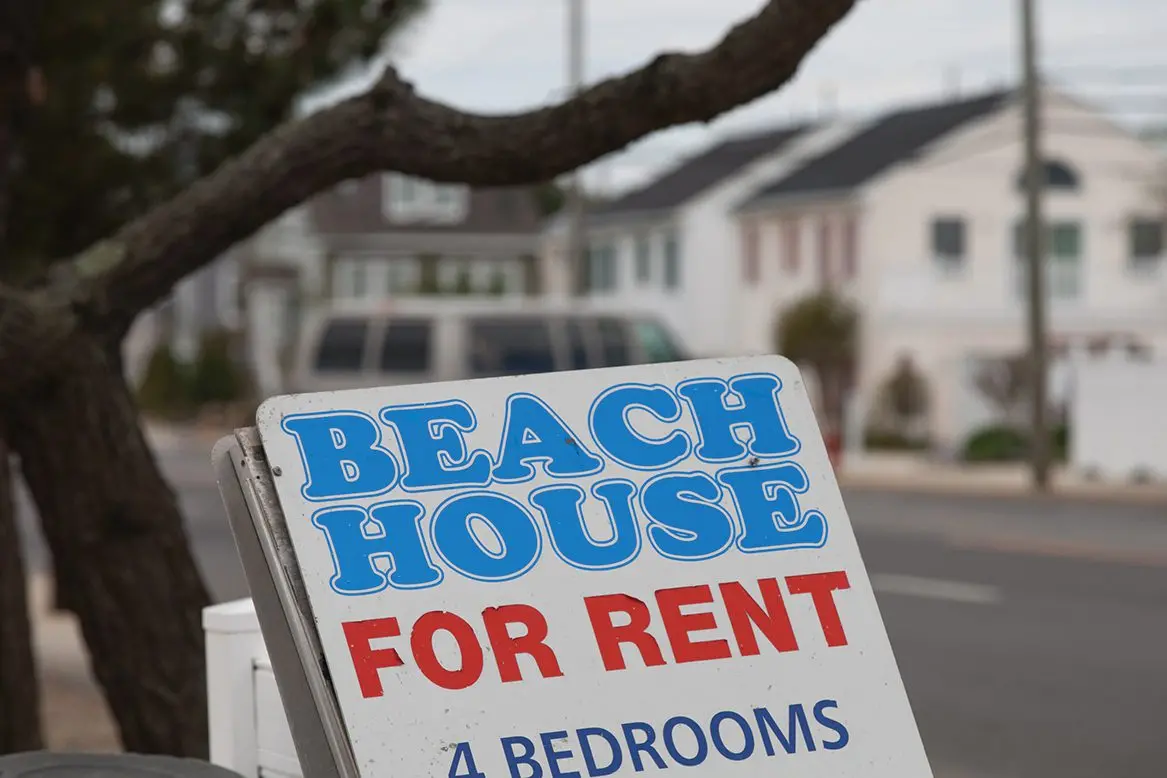
Short-term rentals and transient accommodations may be described in different ways, but the labels point to a shared idea: temporary stays outside the scope of traditional lodging models. Whether prompted by major events, like the World Cup, or by annual seasonal travelers seeking alternatives, the demand raises the question: should these stays be regulated?
“Since COVID, Airbnb and VRBO have made it increasingly difficult, if not impossible, for hosts to vet the guests that want to book their home,” said Duane Watlington, founder of Vacation Rentals (VRLBI).
Without the ability to vet renters or clearly set expectations, owners sometimes end up hosting guests they would otherwise have turned away, he added.
“These bad guests lead to complaints from neighbors and others, which then influences the local towns that they need to regulate more,” Watlington said.
When hosts can speak with guests before confirming a booking, both sides can ask questions and set clear expectations, helping make the stay better for guests, neighbors and the wider community, he said.
That’s what VRLBI does, Watlington said. The site connects the renter and homeowner to hammer out the finer points of the visitor’s stay.
There are some regulations already on the books under a state mandate, including proof of an annual fire inspection and liability insurance.
Still, as a first responder, Watlington said an annual register of participating homeowners is beneficial in the event that something happens at the residence that requires owner notification. The faster an owner is made aware of a situation, the quicker a solution can begin, he added. Often, depending on how a rental home is secured, a renter does not have that information at the tip of their fingers, Watlington said.
Annual fire inspections and other basic safety measures are essential in rental properties because “people are sleeping there,” he said.
Watlington called the proof of liability insurance requirement “almost redundant,” arguing owners already have strong reasons to protect valuable homes.
Yet, of the 300 or so rental properties in Ship Bottom, less than 15% are in compliance, officials said.
The latest discussion on short-term rentals comes nearly a year after the Ship Bottom Borough Council twice rejected a proposal to govern short-term rentals in a span of just 11 days, even as some reasoned protection against “animal houses is a necessity.”
The first short-term rental proposal, Ordinance 2025-9C, was introduced last November, a month later than intended. Word of its introduction quickly made its way through social media and the local grapevine, drawing concerns from homeowners who called for the council to hit the pause button. At a special meeting in December, Mayor William Huelsenbeck cast the deciding vote killing the proposed measure before the council introduced Ordinance 2025-10C, which was also shot down.
Just last month, short-term rentals resurfaced in Ship Bottom – not as a council debate, but as the unscored Question 60 of the state’s Best Practices survey. The questionnaire asked whether the municipality had authorized licenses for short-term accommodations, “such as Airbnb and VRBO,” in accordance with state regulations.
“I think, because it was part of the unscored survey portion of the best practices, they’re trying to see who is doing it and who isn’t doing it,” Kathleen Flanagan, Ship Bottom borough administrator, said recently. “Anytime there’s something on the best practices, it generally leads to something in the future.”
The state Department of Community Affairs uses the annual survey to assess municipalities’ fiscal and operational practices, impacting state aid. To receive their full final state aid payment, municipalities must score at least 34 points; lower scores can result in aid being withheld, according to the DCA.
Governance on lead remediation started in a similar fashion, according to Flanagan.
“I think the same thing is probably going to happen with the short-term rental (licenses),” she added.
If Flanagan’s prediction comes true, there would be plenty of questions surrounding short-term rental licensing, with the biggest being how to enforce it.
“There’s companies out there that do it,” she said, noting the borough had been in contact with one last year to handle compliance, had the short-term rental ordinance been approved. “Obviously, they’re a contractor, so you would have to pay them, but it was the minimalist amount, considering the revenue it would have generated for the borough.”
For Flanagan, the stakes go beyond money; the constant churn of short-term guests makes it harder to know who is on the property and to protect neighboring homeowners and visitors.
Last year’s proposed regulations were meant to address safety gaps: homes rented for graduation or celebrations where no one may be monitoring who is coming or going, she said.
Residents – especially families with young children – should know who is staying nearby, Flanagan said. With short-term rentals, she argued, neighbors may have no way to identify guests, who may not be subject to background checks.
In April, a DCA notice reminded municipal officials they can allow and regulate short-term rentals through platforms, including but not limited to, Airbnb and VRBO, citing the upcoming World Cup, the nation’s 250th anniversary and other major events.
While the notice put the onus of regulations on municipal governance, setting up the short-term time frame at less than 175 consecutive days for someone having a permanent place of residence elsewhere, it did not mention public safety checks.
That leaves not just the financial requirements with municipal officials, but public safety considerations as well.
During its Nov. 11 caucus meeting, the Barnegat Light Borough Council discussed the state’s business and landlord registration for towns to keep certificates of liability insurance on file showing $500,000 of coverage “for negligent acts and omissions.” While calling the mandate overreach, businesses or landlords who do not comply with the town’s request to register and prove insurance face a fine between $500 and $5,000.
The mandate was issued in 2022 for municipalities to collect information about every business and owner of a multifamily dwelling comprised of four or more rental units. Mayor Ed Wellington proposed a mercantile license and home rental license to renew every year with a minimal processing fee of $50. Mailing letters costs over $1,000 in postage and paper, he noted.
“To the extent they don’t reply, we don’t have the resources to enforce it unless we run into it,” Wellington added, saying from the zoning officer’s perspective, having up-to-date information on hand is beneficial.
Borough Attorney Terry Brady’s take on it was that “requiring insurance does protect those who do business with the businesses in town, and it does protect the renters who rent from individuals or businesses in the town. Why are we (the borough) the collector of information? You would have to ask the state Legislature why they decided that.”
Elsewhere on the Island, Long Beach Township has a simple one-page form for short-term rentals, available on its website, Watlington said.