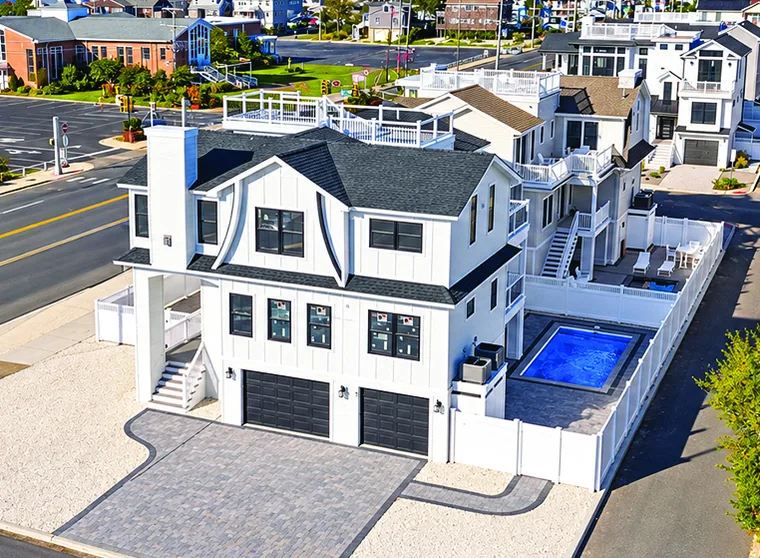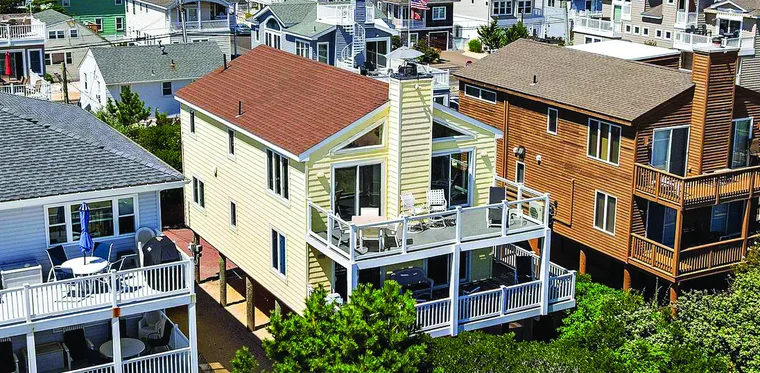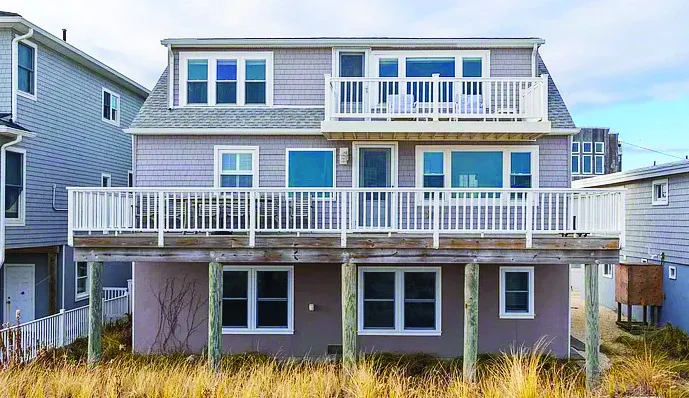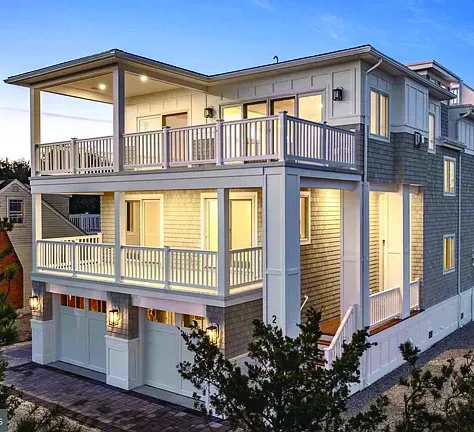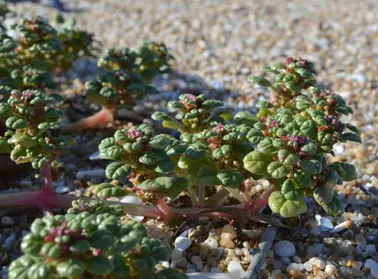
According to the N.J. Department of Environmental Protection, the oldest specimen of the obscure plant called seabeach amaranth was collected from Tucker’s Island, just south of Long Beach Island, in 1802. This colony, the DEP explains, “was deemed extirpated by 1938 when the island was lost to a series of storms starting in 1917. Over time, LBI grew southward and, eventually, into the area once occupied by the island.”
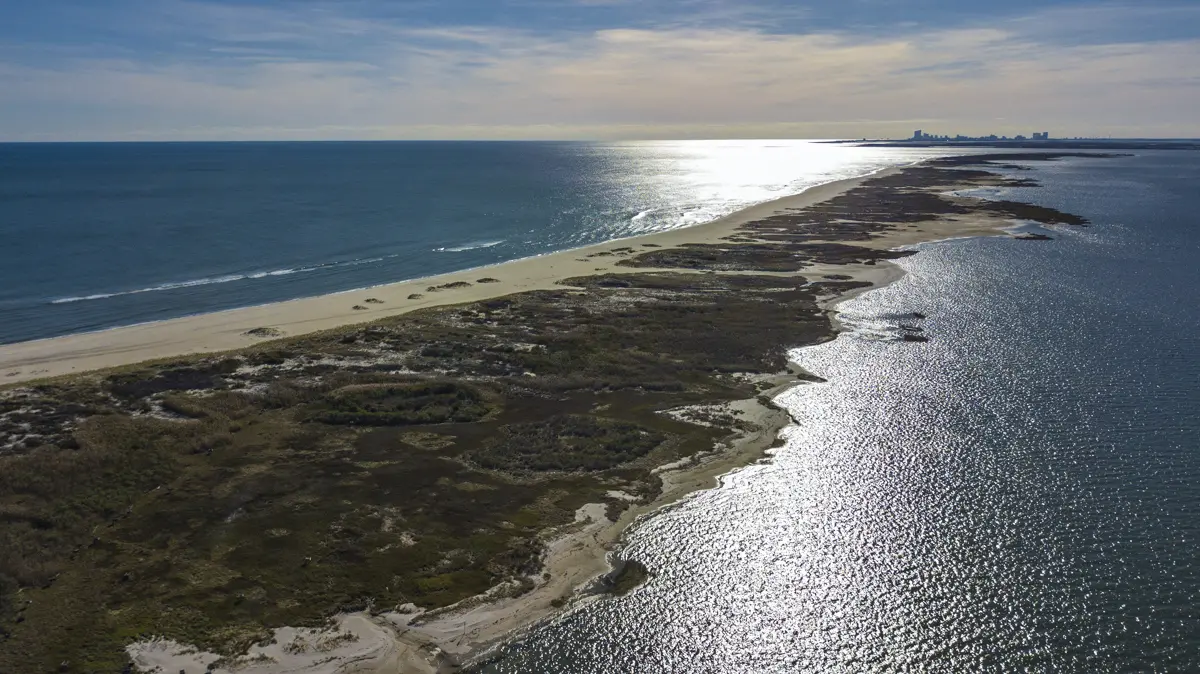
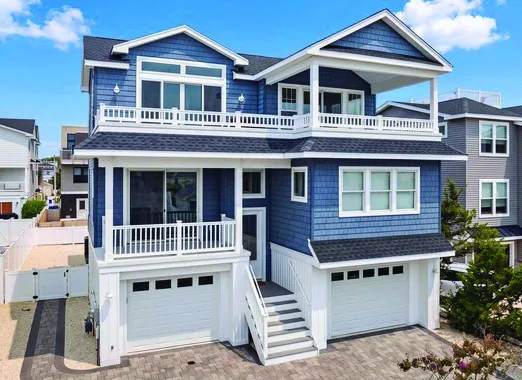
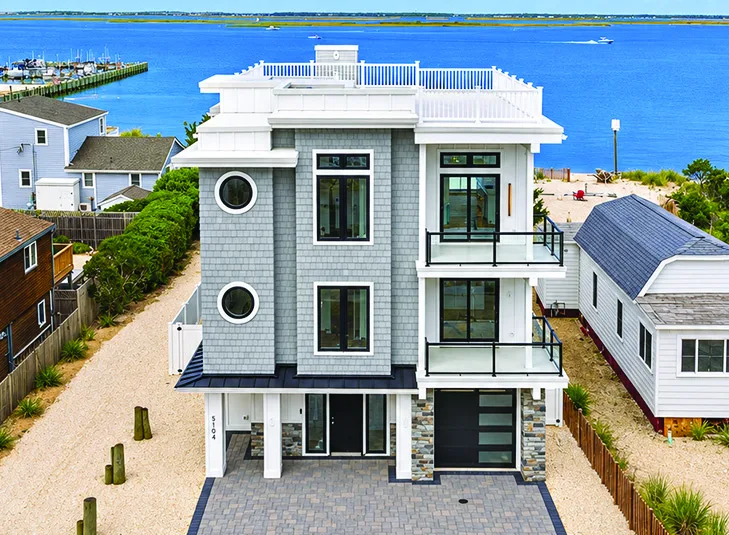
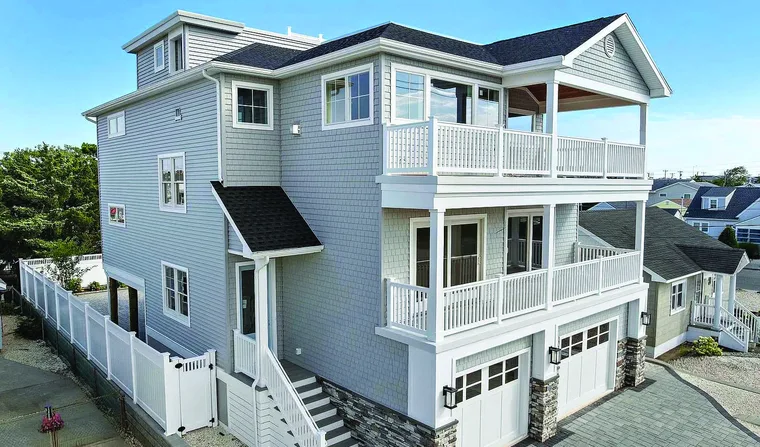
COMEBACK: The oldest seabeach amaranth specimen was collected from Tucker’s Island, lost to storms years ago. LBI’s south end (top, as seen from McKinley Avenue in Holgate) grew into the area once occupied by that island, and is now home to a colony of the plant species (below, left). (Photo by Ryan Morrill)
The location is now part of Holgate, which includes the Edwin B.
Subscribe to keep reading
This story is from our archive. Get your SandPaper Annual Pass for access to our digital archive, plus everything else a pass includes. Details below.
Annual Pass — $18 Details
365-day access to:
- The complete SandPaper digital archive (stories date back to 2012).
- Full photo galleries from our photographers.
- The entire catalog of SandPaper games, puzzles and quizzes.
How it works
- Enter your email below and click to pay the one-time $18. Card details are entered on Stripe’s secure page.
- You’re in straight away — no password to create, and nothing to set up or manage.
- You stay signed in. If you’re ever signed out, or you read on a new phone or computer, we’ll email you a code to get you back in.
- Never auto-renews. Your pass is good for one year. We will email you when it expires so you can renew if you’d like.
See our site policies for more information.
Already a subscriber? We’ll email a code to get you back in.